

healing from justice
supporting adult survivors of sexual assault
who this course is for
this course is designed for professionals supporting survivors navigating police reports, court processes, and legal decision-making.
practitioners
working with survivors in clinical or community settings
counsellors & therapists
offering trauma-informed + somatic therapeutic care
advocates & support workers
guiding clients through justice and support systems
welcome!
healing from justice is a comprehensive trauma-informed training program for professionals who support adult survivors of sexual assault navigating the justice system.
this course equips you with practical tools, critical insight, and structured frameworks to confidently support survivors through complex legal processes.
what you'll learn
this course will teach you how to:
- recognize and challenge rape culture and rape myths in yourself, clients, and society
- apply an intersectional lens to how identity shapes survivors' experiences post-assault
- practice cultural humility and recognize how your own identity influences your work
- provide trauma-informed support when survivors are making decisions about reporting
- understand canadian sexual assault law and how to prepare survivors for court processes
- explore alternative justice options like restorative and transformative justice approaches
- gain therapeutic skills such as nervous system regulation and pleasure-centred healing
- integrate embodied advocacy and activism to shift the needle on sexual assault justice
course structure
both formats consist of 6 modules that cover the following topics:
choose your learning format
choose the option that best fits your schedule, learning style, and level of support.
live online group cohort
best for: practitioners who want support, discussion, and community
the next supervision cohort will begin on april 8, 2026
self-guided course
best for: those who prefer flexible, independent learning
about your instructor
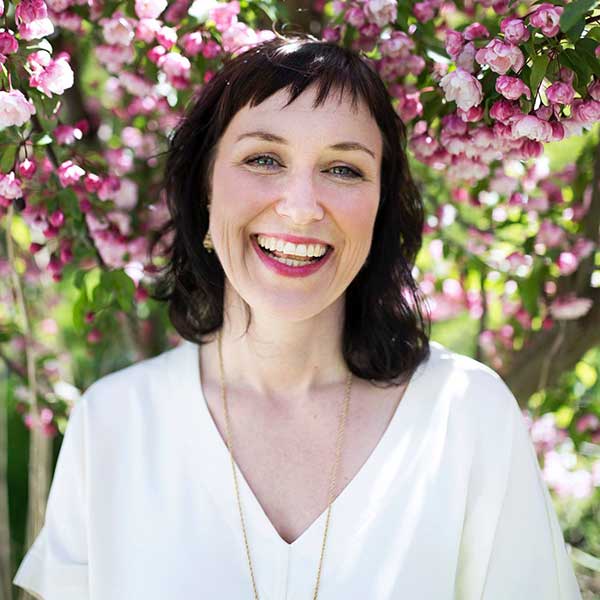
deirdre mclaughlin is a registered clinical counsellor (rcc) through the british columbia association of clinical counsellors (bcacc) with advanced doctoral training in clinical sexology. they completed a phd at international institute of clinical sexology (iics), which included comprehensive coursework, an oral examination, and a defended doctoral project. deirdre's work focuses on sexual health, sexual trauma, and kink conscious education, integrating evidence-informed approaches with client-centred care. (note: iics is not an accredited university; this program was designed for advanced professional training rather than licensure.) they are also trained in relational somatic therapy and somatic sexology.
outside of work, you'll usually find deirdre with family and friends, collaging, doing yoga, or playing in the mountains with ringo the dog, aka "sweet boy who brings me joy."
frequently asked questions
this course is designed for counsellors and helping professionals who support adult survivors of sexual assault. it brings together trauma-informed practice, canadian legal context, and practical skills to strengthen your work with clients. below are answers to common questions.
this course is designed for counsellors, therapists, social workers, and other helping professionals who support adult survivors of sexual assault and want to deepen their knowledge, confidence, and trauma-informed practice.
the course is designed for professionals and includes sensitive and potentially triggering material. survivors who wish to take the course should ensure they have appropriate support in place.
the course covers rape culture and rape myths, the aftermath of sexual assault, canadian sexual assault law, alternatives to the formal justice system, therapeutic approaches for working with survivors, and the role of advocacy and activism in healing and social change.
yes. one full module focuses on sexual assault law in canada, including recent legal developments, preparing survivors for court, and record-keeping considerations for counsellors.
yes. the course includes therapeutic approaches, cultural competencies, trauma and neurobiology education, and practical ways to support survivors in decision-making, consent, and recovery.
the course is divided into six modules, each with lessons, knowledge checks, and self-care reminders. there are also reference booklets and a resource hub with downloadable materials.
the course is self-paced and includes over 30 lessons and multiple assessments. most lessons range from 10 to 30 minutes, so you can move through the material in a way that fits your schedule.
the course includes video lectures from the instructor, downloadable reference booklets, self-assessment quizzes after each module, reflection activities for deeper learning, and practical tools and handouts to support your work with clients.
yes. the course includes content on intersectionality, social location, gender-based violence, and Indigenous justice perspectives, helping you work more effectively with clients from diverse backgrounds.
yes. the course is grounded in trauma-informed and survivor-centred practice, with a strong emphasis on consent, safety, and supporting both clients and practitioners. it is designed with transparency, collaboration, choice, and sensitivity in mind. participants are informed about what to expect, encouraged to move at their own pace, and supported with content warnings and self-care prompts throughout.
yes. the course includes dedicated self-care reminders and a “taking care of you” lesson to support your wellbeing while working with sensitive material. it also includes a self-care toolbox, with encouragement to seek personal counselling and professional supervision.
when i first created the course, it was with the aim to offer a self-paced curriculum. however, since offering group supervision as well, i've come to appreciate the power and even magic that happens when we come together to explore a difficult and sometimes isolating subject. the unity of the group helps participants exchange ideas, embody skills, and enhance the network of their professional community. as an added benefit, it provides six hours towards supervision requirements, for students and working professionals alike.
yes, participants receive a certificate of completion after finishing the course requirements. for self-guided participants, they can reach out to deirdre mclaughlin counselling and consulting once they have completed the course; for those taking the supervision track, they will receive a certificate of completion after the last supervision date.
you can register directly through the course page. if you have questions before enrolling, you are welcome to reach out through the contact form on the website.
language is inherently malleable. the aim is to challenge my own perspectives, invite new ways of seeing, and disrupt convention through the written word.
dr. linda manyguns uses lower case as a political act, only using capital letters to acknowledge the Indigenous struggle for recognition. i align with her and others like e. e. cummings, bell hooks, and adrienne maree brown, who play with form and ~ as manyguns states ~ "reject the symbols of hierarchy" wherever possible.
ready to support survivors with confidence?
choose the format that works for you, self-guided learning or live group supervision, and build your skills in a supportive, professional learning space.